
JOURNAL / PERSPECTIVE
Attention is a
creative decision.
What we notice becomes the material of what we make.
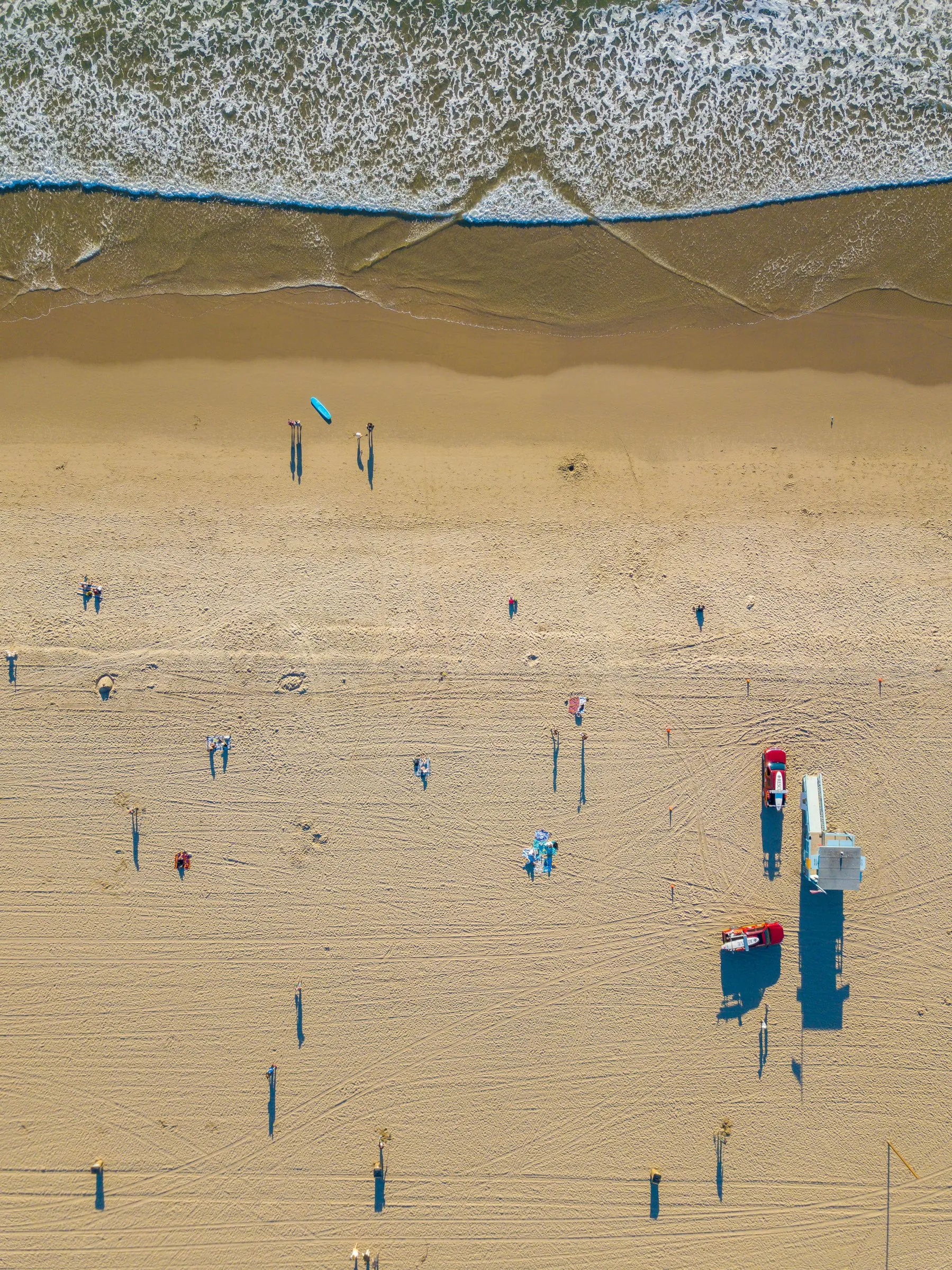
The work begins before the first draft.
A camera can point in many directions. A question can open a conversation or close it. A designer can foreground one piece of information and let another disappear. Long before the finished work exists, attention has already begun to shape it.
That makes attention a creative decision with consequences. We choose a subject, but we also choose the distance from which to understand it. We can stay with the obvious explanation or allow an unfamiliar detail to complicate the picture.
Specificity rewards patience.
A place becomes vivid through particulars: the changing light, the repeated gesture, the relationship between a person and a familiar street. Those details resist substitution. They give an audience a reason to believe that someone has looked closely.
The same principle applies to a digital product. A specific frustration described by a person trying to finish a task can reveal more than an abstract feature list. Close observation makes a better question possible.
Leave room for discovery.
A strong point of view helps organize a piece of work. It should also remain capable of surprise. Research and conversation are most useful when they can change the direction of the project.
This is a discipline of staying available to what the subject reveals. It asks us to keep looking after the first satisfying answer and to distinguish a compelling explanation from a complete one.
What remains.
The audience will encounter the finished form. They may never see the notes, the discarded drafts or the conversation that changed a scene. Yet those acts of attention remain within the work, shaping its texture and credibility.
A useful question for any review is simple: where can someone feel that we paid attention?
CONTINUE THE CONVERSATION
An idea worth exploring.